The Clay Soil Reality in Columbia
If you live in Columbia, you are likely familiar with the sticky, heavy clay soil that dominates the region. This clay-rich earth is a common feature across Mid-Missouri, and while it is great for certain types of agriculture, it can be a nightmare for your home's foundation. The problem lies in the mineral composition of the clay, specifically its ability to hold water. When it rains, this soil absorbs moisture like a sponge, expanding significantly in volume. When the weather dries out, the soil shrinks back down. This constant cycle of expansion and contraction exerts immense pressure on your foundation walls and floors.
This phenomenon, known as soil movement, is one of the leading causes of Foundation Waterproofing failures in the area. Unlike sandy soils that drain quickly, clay traps water against your foundation. This creates a hydrostatic pressure that pushes against the walls, leading to the Missouri foundation cracks and swelling clay basement leaks that many homeowners face. Understanding this soil behavior is the first step in protecting your investment.
How Swelling Clay Causes Basement Leaks and Cracks
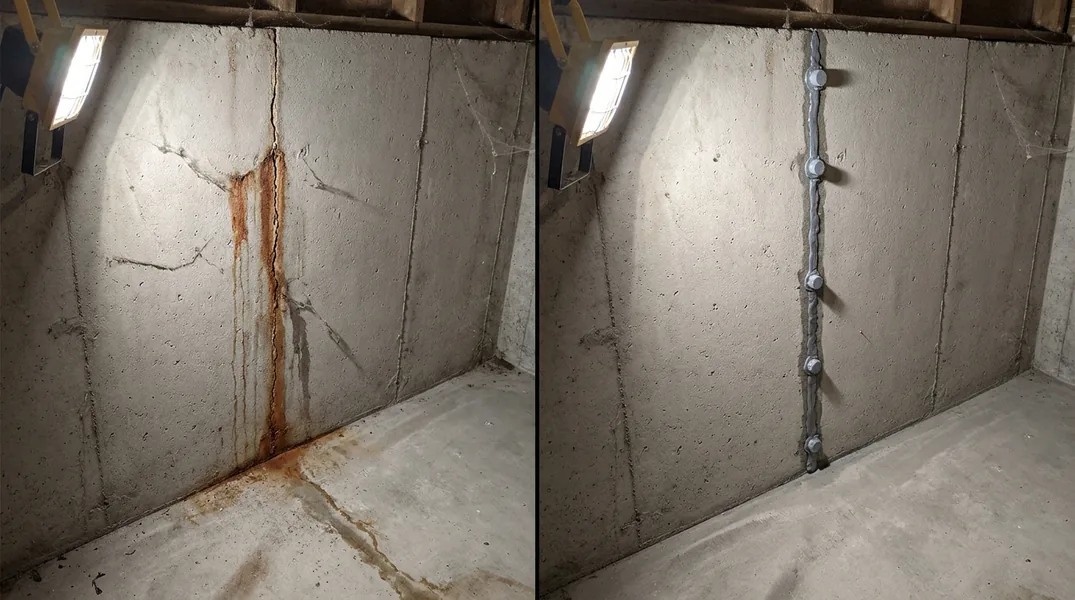
The mechanics of a basement leak causes list almost always start with the soil outside. When the clay soil around your home becomes saturated, it expands. This expansion does not just happen at the surface; it happens deep down against the foundation walls. The pressure can be strong enough to bow walls inward or cause horizontal cracks. Once cracks form, water finds the path of least resistance. During a heavy rain, that water pushes through the cracks into your basement, leading to the swelling clay basement leaks that can ruin flooring, drywall, and stored belongings.
Furthermore, the shrinking phase is just as dangerous. As the soil dries and pulls away from the foundation, it creates a gap. This gap allows water to pool directly against the foundation during the next rain instead of running off. It also removes the support the soil provided to the footing, causing the foundation to settle unevenly. This settling is often visible as stair-step cracks in brickwork or diagonal cracks in drywall. If you are noticing these signs, it may be time to consider a solution like an Interior Drain Tile System to manage the water that inevitably gets in.
Signs Your Foundation is Struggling with Soil Movement
Homeowners in Ashland and surrounding areas should be vigilant for signs of foundation distress. Cracks are the most obvious indicator, but not all cracks are created equal. Vertical cracks are often caused by concrete shrinkage as it cures, but diagonal cracks that widen at the top or bottom are usually a sign of soil movement and settlement. You should also check for doors and windows that stick or no longer latch properly. If a door that used to close smoothly suddenly requires a shoulder to shut, it is often because the foundation has shifted slightly, twisting the door frame.
Other signs include uneven floors, gaps between exterior walls and the ground, and moisture inside the basement. If you notice white, powdery deposits on your basement walls (efflorescence), this is a sign that water is moving through the concrete. This is a clear indicator that you need professional Basement Waterproofing. Addressing these issues early can save you from costly structural repairs down the road.
Solutions for Clay Soil Challenges
Dealing with clay soil requires a strategy that accounts for both water management and soil pressure. One of the most effective methods is Exterior Basement Waterproofing. This involves excavating the soil around the foundation to apply a waterproof membrane and install a drainage system that directs water away from the house before it ever touches the walls. While this is a significant undertaking, it is the gold standard for keeping a basement dry in high-clay areas because it addresses the problem at the source.
However, exterior excavation is not always feasible or necessary. In many cases, an interior approach is more practical. An interior drain tile system installed along the inside perimeter of the basement footer captures water that seeps through the walls and floor and directs it to a sump pump. This relieves the hydrostatic pressure under the floor. For homeowners in Hallsville and Fulton, combining interior drainage with proper grading and downspout extensions is often the most cost-effective way to manage swelling clay. It is about controlling the water table around and under your home.
Basement Waterproofing Near Me: When to Call a Pro
While minor dampness might seem like a small issue, the structural integrity of your home is at stake. If you have noticed any of the signs mentioned above, or if you have standing water in your basement after a storm, it is time to consult a professional. DIY fixes like patching cracks with hydraulic cement are usually temporary because they do not address the external pressure from the clay soil. The crack will often reopen or the water will simply find a new path. A professional can assess the soil conditions, the type of foundation, and the specific water flow patterns on your property.
Columbia Waterproofing specializes in understanding the local geology and how it impacts your home. We can provide a thorough inspection and recommend the best course of action, whether that is sealing cracks, installing drainage, or reinforcing walls. Do not wait for a small crack to become a structural emergency. A proactive approach protects your home's value and your peace of mind. To get started, you can reach us at (573) 818-2013 or request a free estimate to discuss your specific needs and pricing options.
Looking for a professional basement waterproofing contractor in Columbia? Columbia Waterproofing responds fast for all your basement waterproofing needs.
Get a Free QuoteOur services: Basement Waterproofing · Interior Drain Tile System · Exterior Basement Waterproofing